
CRM Stack Problem: Why Most African Marketing Teams Are Automating the Wrong Things
If you work in digital marketing in Nigeria and you have implemented a CRM or marketing automation platform in the last three years, there is a reasonable chance you are sitting on a system that is technically running and strategically underperforming.
The tools are live. The sequences are set up. The dashboards are populated with numbers. But the outcomes, the actual movement of customers through a pipeline, the retention of users who were supposed to be retained, the revenue that was supposed to follow the automation, are not materialising the way the vendor promised.
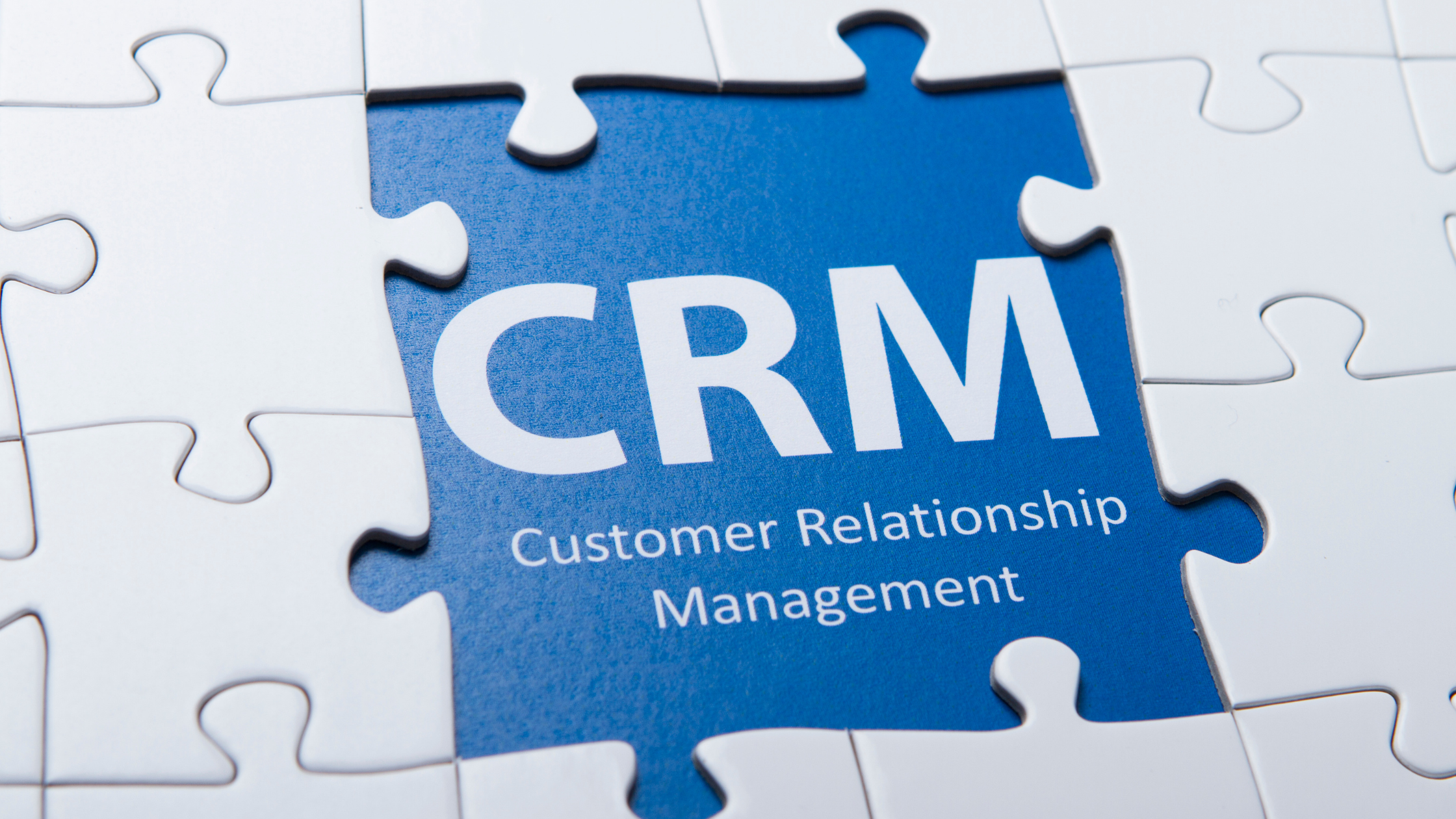
This is the CRM stack problem. And it is not primarily a technology problem. It is a strategy problem that technology has made easier to ignore.
The CRM Stack Problem: What It Actually Looks Like
Walk into almost any growth-stage digital business in Nigeria, whether it is a fintech, a SaaS platform, or a consumer app, and you will find some version of the same pattern.
A team that identified a pain point, usually around customer communication, retention, or lead management, evaluated a handful of platforms, selected one based on a combination of features, pricing, and a persuasive sales process, implemented it with varying degrees of thoroughness, and then moved on to the next problem.
What they did not do, in most cases, was define what success looked like before they started. They did not map the customer journey they were trying to support with enough precision to know which touchpoints the tool needed to serve. They did not audit whether their existing data was clean and structured enough to power meaningful segmentation. And they did not build the internal capability to manage, iterate, and optimise the system over time.
The result is a CRM that is sending emails nobody reads, triggering notifications at the wrong moments, and producing reports that the team looks at without knowing what to do with them.
This is not a MoEngage problem or a Customer.io problem or a Salesforce problem. It is a foundations problem. The tools are being asked to compensate for strategy that was never built.
Why the Problem Is Worse in African Digital Markets
The CRM stack problem exists everywhere. But it has particular characteristics in the Nigerian and broader African digital market that make it harder to diagnose and more expensive to ignore.
The first is data infrastructure. Most African digital businesses are working with customer data that is incomplete, inconsistently collected, or stored across systems that do not talk to each other. CRM platforms are only as intelligent as the data fed into them. When the underlying data is thin, the personalisation is superficial, the segmentation is broad, and the automation produces generic communication that consumers have become skilled at ignoring.
The second is the talent gap. Platforms like MoEngage, Salesforce, and Netcore are sophisticated systems that require genuine expertise to configure and optimise. The pool of practitioners in Nigeria who can build a behavioural segmentation model, design a multi-step lifecycle campaign, and interpret the performance data with enough nuance to make meaningful adjustments is smaller than the demand for that skill. Many teams implement what they can figure out and leave the rest of the platform’s capability untouched.
The third is the pace of adoption. The pressure to appear technologically capable has driven many organisations to adopt platforms faster than their teams could absorb them. The decision to implement Salesforce or MoEngage was often made at the leadership level without a realistic assessment of whether the organisation had the data maturity, the internal skills, or the process discipline to extract value from it.
What the Tools Can and Cannot Do
It is worth being specific about what each of the major platforms in this market is actually designed for, because misaligned tool selection is itself a significant part of the problem.
- MoEngage is a customer engagement platform built for mobile-first businesses. Its strength is in behavioural triggers, push notifications, in-app messaging, and the kind of real-time personalisation that consumer apps and fintech platforms need to drive activation and retention. It performs best when a team has a clear understanding of their user journey, clean event data flowing from their product, and a lifecycle strategy that defines what they want to communicate at each stage of that journey. Without those foundations, MoEngage becomes an expensive email and notification sender.
- Customer.io is a messaging automation platform designed for transactional and lifecycle communications. It is powerful for SaaS and subscription businesses that need to send behaviour-triggered emails, manage complex segmentation logic, and test different communication sequences. Its value compounds when the team using it understands cohort behaviour, can interpret delivery and engagement data, and has a clear hypothesis about why a customer should receive a specific message at a specific moment. Without that thinking, it produces automated noise.
- Salesforce is an enterprise CRM designed around sales pipeline management, customer relationship tracking, and cross-functional data integration. It is one of the most capable platforms available and also one of the most commonly underused. In many Nigerian organisations, Salesforce has been implemented at significant cost and is being used primarily as a glorified contact database. The automation, AI features, and integration capabilities that justify its price point remain largely untouched because the implementation was not matched with a clear operational strategy.
- Netcore is a platform with strong roots in the Indian market that has been expanding its presence in Africa. It offers a broad suite including email, SMS, push notifications, and an AI-powered personalisation engine called Raman. For teams operating on tighter budgets who need a consolidated engagement platform with regional support, Netcore can deliver meaningful value. But like every other platform in this category, its performance is directly proportional to the quality of the strategy and data behind it.
| The tools are not failing. The strategy that should sit underneath them was never built. That is the honest diagnosis most teams are not willing to make. |
The Strategic Foundations That Make CRM Work
The teams in this market that are extracting genuine value from their CRM and automation investments share a set of practices that have nothing to do with which platform they chose.
They started with the customer journey, not the tool. Before selecting or configuring a platform, they mapped how a customer moves from first contact to loyal user or advocate. They identified the moments that mattered most, where customers made decisions, where they were most likely to disengage, where a well-timed communication could move them forward. That map became the brief for what the tool needed to do.
They invested in data quality before they invested in automation. Clean, consistently structured customer data is the raw material that CRM platforms transform into personalised experiences. Teams that skipped this step found themselves with sophisticated automation built on a foundation of incomplete records, duplicate contacts, and event data that did not accurately reflect what their customers were actually doing.
They defined success metrics before they went live. Not vanity metrics like open rates and send volumes, but business metrics like activation rate, day-30 retention, conversion from free to paid, or reduction in support tickets for a specific user segment. These metrics gave the team something to optimise toward rather than a set of dashboards to monitor.
They built internal ownership. Someone in the organisation understood the platform deeply enough to manage it, iterate on it, and make decisions without needing to call the vendor every time. In some cases this was a dedicated marketing operations role. In others it was a senior lifecycle marketer who took ownership. The specific title mattered less than the existence of genuine accountability.
The Audit Every Team Should Run
If you currently have a CRM or marketing automation platform running in your organisation, here is the most useful set of questions you can ask right now.
Can you articulate, in one sentence, what business outcome each of your active automation sequences is designed to move? If the answer is vague or uncertain, the sequence was built without clear strategic intent.
When did you last change anything about a sequence based on performance data? If your automations have been running unchanged for more than three months, you are operating a system without a learning loop.
How many of your platform’s core features are you actively using? If the answer is less than half, you are either over-tooled for your current needs or under-resourced to extract the value you are paying for.
Is your customer data clean enough to support meaningful segmentation? If you cannot confidently separate your most engaged users from your least engaged ones based on behaviour, your personalisation is demographic at best.
These are uncomfortable questions. But the discomfort of asking them is significantly less than the cost of continuing to pay for automation that is producing noise rather than outcomes.
| The most common CRM failure is not a technology failure. It is an organisation that automated its confusion rather than its clarity. |
What Good Looks Like
The marketing teams in Nigeria and across Africa that are getting this right are not necessarily the ones with the biggest budgets or the most sophisticated platforms. They are the ones that have been honest about what they do not know, disciplined about building foundations before layering complexity, and willing to start small and iterate.
A fintech that defines three core lifecycle moments, builds a clear communication strategy for each one, implements that strategy in a tool well-suited to the task, measures the outcome against a specific business metric, and then iterates based on what the data shows, will outperform a competitor running twenty automation sequences built on unclear strategy and inconsistent data every single time.
The CRM stack problem is solvable. But it requires marketing leaders to be honest about the fact that the tool was never the solution. The tool is the infrastructure for executing a solution that the team has to build first.
That distinction is the difference between automation that compounds and automation that just runs.
What ADMARP Is Watching
The conversation around CRM and marketing automation in African digital markets is maturing. As more organisations move beyond first-generation implementations and begin to ask harder questions about return on investment, the demand for practitioners who understand both the strategic and operational dimensions of these platforms is growing.
The professionals building that fluency now, the ones who can sit in a room with a product team and a data team and help design a lifecycle strategy that the automation infrastructure can actually execute, are the ones who will define what senior marketing leadership looks like in this ecosystem over the next five years.
At ADMARP, this is the conversation we are investing in. If you work in marketing operations, lifecycle marketing, or digital growth and you want to contribute your perspective to this platform, visit www.admarp.com.
Practical Takeaways for Marketing Teams
|
READ MORE MAR-TECH & PRODUCT LEADERSHIP SERIES CONTENT
Follow ADMARP on Social media.